Solar Panels and Roof Leaks: Causes and Who Pays
TL;DR
Most leaks after a solar install trace to roof penetrations that were sealed badly, or to a roof that was already near the end of its life. Both are avoidable: insist on a roof condition assessment before installation, use mounting suited to your roof type, and get the workmanship warranty in writing before work starts.
A properly installed solar system should not cause a roof leak. When one appears, the cause is almost always one of two things: penetrations that were sealed badly, or a roof that was already close to failing.
Both are preventable, and both are decided before the panels go up rather than after.
Where leaks actually come from
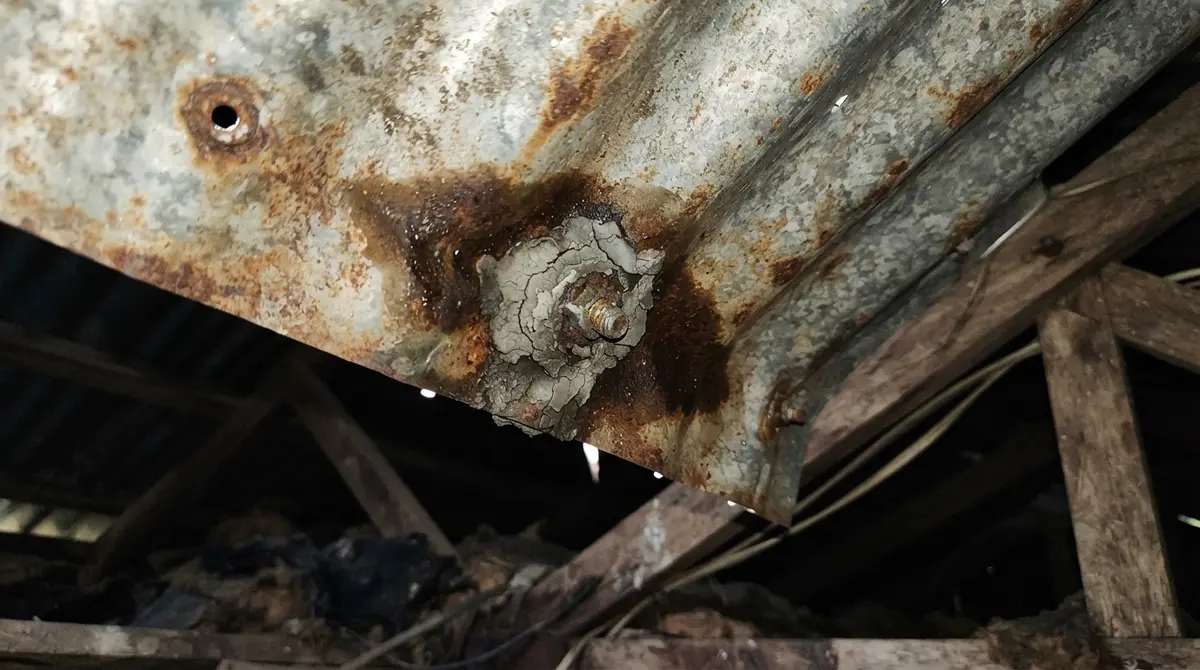
Poorly sealed penetrations. Most mounting systems bolt through the roof. Each bolt is a hole, and each hole needs correct flashing and sealant appropriate to the roof material. A bead of silicone over a drilled hole is not adequate detailing, and it is a common shortcut.
Wrong mounting for the roof type. Philippine roofs are commonly corrugated or rib-type metal sheet, sometimes tile, occasionally concrete. Each needs different hardware. Using generic brackets on a roof profile they were not made for creates gaps that open up under thermal movement. Our roof types and mounting guide covers the differences.
A roof already at end of life. If the roofing was going to leak within a couple of years anyway, the array did not cause it — but it makes the repair considerably more expensive and the conversation considerably more difficult.
Thermal movement. Metal roofing expands and contracts daily. Mounting that does not allow for it works loose over time. This is why leaks sometimes appear a year or two after a job that seemed fine.
Fix the sequence, not the leak
The single most useful thing you can do is get the order right:
1. Assess the roof before you install. Ask the installer to document its condition at the site survey — age, material, corrosion, existing damage. Get it in writing with photographs. This one document decides most later disputes about responsibility.
2. Replace the roof first if it is near end of life. Panels last 25 years or more. If your roofing has under ten years left, removing and reinstalling the array later to get at the roof underneath is a cost you can avoid by resequencing now.
3. Confirm mounting suits the roof profile. Ask what hardware is being used and why it suits your specific roofing.
4. Get the workmanship warranty in writing before work starts, and check it explicitly covers roof penetrations and water ingress — not just the electrical installation. A warranty that covers the wiring but excludes the roof leaves the likeliest problem uncovered.
Our what to expect from a site survey guide covers what a thorough survey should include.
Who pays
| Situation | Usually whose responsibility |
|---|---|
| Leak at a mounting penetration, recent install | Installer, under workmanship warranty |
| Roof documented as sound before install | Installer |
| Roof documented as aged or damaged before install | Contested — depends on the documentation |
| Leak elsewhere on the roof, away from the array | Generally not the installer |
| Leak years later from aged sealant | Often outside warranty |
The pattern is clear enough: whoever has documentation wins. A pre-installation condition report with photographs is cheap insurance against an expensive argument.
Also confirm the installer carries liability cover for damage during the work — covered in how to choose a solar installer and relevant to your own insurance position.
If you have a leak now
- Photograph everything — the interior damage, the ceiling, and the array area from the ground. Date them.
- Report it to the installer immediately in writing. Email, not a phone call, so there is a record and a date.
- Do not go on the roof to investigate. Wet sheet roofing is dangerous and the array is electrically live.
- Do not let anyone else patch it before the installer has inspected, or you hand them an argument that someone else caused the damage.
- Keep the pre-installation survey to hand.
Preventing the slow version
Sealants age under Philippine sun and rain. Penetrations that were perfect on day one need looking at periodically.
Add a flashing and penetration check to your routine maintenance, ideally before rainy season each year. Catching a degraded seal is far cheaper than repairing a saturated ceiling, and it is the kind of thing that falls outside warranty precisely because it develops slowly.
Frequently asked questions
Do solar panels cause roof leaks?
A properly installed system should not. Leaks come from penetrations that were drilled and sealed poorly, from mounting hardware unsuited to the roof type, or from a roof that was already failing and would have leaked anyway.
Who pays if my roof leaks after installation?
If the leak is at a mounting penetration and the install is recent, that is the installer's workmanship warranty. If the roof was already old and failing, responsibility is much murkier — which is why a documented pre-installation condition assessment matters so much.
Should I replace an old roof before installing solar?
If the roof has less than about ten years left, strongly consider it. Panels last 25 years or more, and removing and reinstalling an array to replace the roof underneath costs real money you could have avoided.
Can panels be installed without drilling the roof?
Sometimes. Ballasted or clamped systems avoid penetrations on some roof types, particularly standing seam metal. On most Philippine sheet and tile roofs some penetration is normal, and doing it properly is the answer rather than avoiding it.
How long should a workmanship warranty last?
Ask for the term in writing before work begins and check it specifically covers roof penetrations and water ingress. A warranty that covers the electrical work but excludes the roof leaves the most likely problem uncovered.
What if the leak appears years later?
Sealants age, especially under Philippine sun and rain. Periodic inspection of penetrations should be part of maintenance. A leak years on may fall outside warranty, which is another reason to check the flashings rather than wait.